
Fall Prevention Therapy at Home
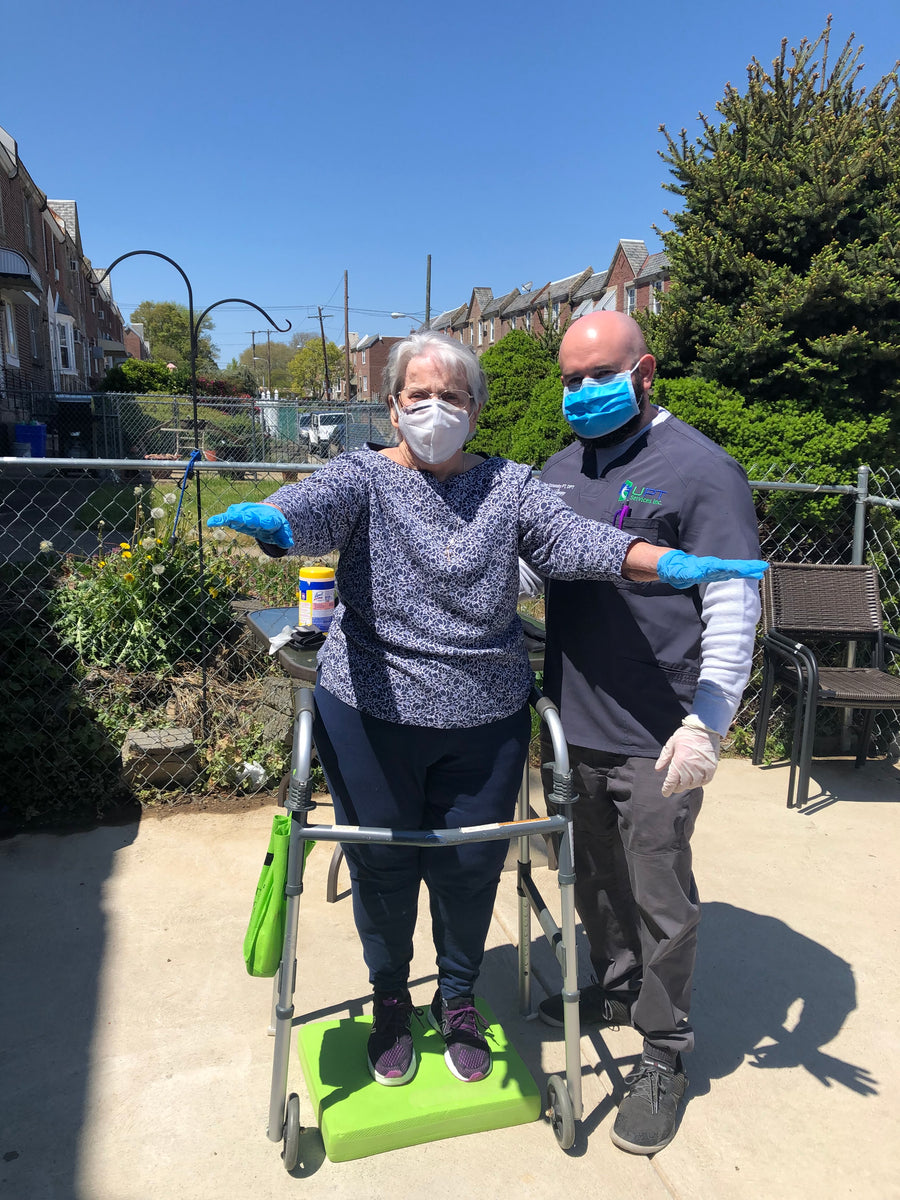
Falls are one of the most common causes of injury for older adults, and many can be prevented. We find your fall risks at home and build the strength, balance and safer surroundings you need to stay on your feet.
Is this for you?
- You've had a fall or a near fall
- You feel unsteady or dizzy when walking
- You hold onto furniture or walls to get around
- Fear of falling keeps you from doing things
- You recently started using a cane or walker
- You're home after a hospital or rehab stay
What we do
- Balance and leg strength training
- Walking (gait) training
- A room-by-room home safety check
- Fitting and training with a cane or walker
- Advice on footwear, lighting and rugs
- A simple exercise plan to keep doing on your own
What to expect
- Fall risk evaluation. We test your balance, strength and walking, and review your home.
- Your plan. We set clear goals and show you exactly which exercises to do.
- Safer every week. Regular visits to build balance and make practical changes at home.
Why falls happen
A fall is rarely caused by just one thing. Most happen when several small risks add up. The good news is that most of these can be improved:
- Weak leg and hip muscles
- Slower balance reactions
- Dizziness or low blood pressure when standing
- Medications that cause drowsiness or lightheadedness
- Changes in vision
- Numbness in the feet
- Trip hazards like rugs, cords and clutter
- Poor lighting and slippery floors
- Fear of falling, which leads to less activity and more weakness
How we measure your fall risk
Your first visit includes a fall risk evaluation using simple, standard tests. These may include timing how long it takes you to stand up, walk a short distance and sit back down; counting how many times you can rise from a chair in 30 seconds; and checking how long you can hold different standing positions. Along with your history of falls, these results show where your risk is highest and give us a baseline to measure your progress.
Fall risk reduction strategies we use
Strength and balance training. Exercise is one of the most effective ways to lower fall risk. We focus on the legs, hips and core, and practice balance in a safe, gradually harder way.
Walking and transfer practice. We work on the moments when falls tend to happen: turning, getting in and out of bed, standing up from a chair, using the toilet and climbing stairs.
Home safety changes. We walk through your home with you and recommend practical fixes, such as grab bars, railings, night lights, removing loose rugs and rearranging furniture for clear paths. See our home safety evaluations.
The right equipment. If a cane, walker or shower chair would help, we recommend the right one and make sure it fits you. See our equipment evaluations.
Knowing what to do if you fall. We teach and practice safe ways to get up from the floor, or to stay safe and call for help if you can't.
Working with your doctor. If we notice dizziness, vision changes or possible medication side effects, we let your doctor know so those can be checked too.
Why fall prevention works best at home
Most falls happen at home. Practicing on your own stairs, in your own bathroom and around your own furniture means the skills carry straight into daily life. Family members and caregivers can join visits and learn how to help safely.
Many falls start with hazards at home. Learn what happens during a home safety evaluation, or use our home safety assessment checklist to spot common hazards yourself.
Frequently asked questions
Does Medicare cover fall prevention therapy at home?
Medicare Part B covers medically necessary outpatient physical therapy, and we can provide it in your home. We also accept Aetna Medicare, Independence Blue Cross and Keystone 65. We check your coverage before your first visit.
Do I need a doctor's referral?
Medicare requires your doctor to approve your therapy plan. Call us and we'll help coordinate this with your doctor.
I haven't fallen yet. Should I still get checked?
Yes. If you feel unsteady, hold onto furniture or avoid activities because you're afraid of falling, an evaluation can find problems before a fall happens.
Can my family be there?
Absolutely. Family members are welcome at every visit and can learn how to help.
Medicare Part B accepted, plus Aetna Medicare, Independence Blue Cross and Keystone 65. For quick tips you can use today, read 7 Simple Ways to Prevent Falls at Home.